










Understanding Window Tint Options
When considering ways to enhance your vehicle’s appearance and comfort, exploring window tint near me is an excellent starting point. Window tinting offers a blend of aesthetics and functionality, catering to different needs and preferences. From improving privacy to reducing glare and UV exposure, understanding the various options available can help you make an informed decision.
Types of Window Tint Films
Window tint films come in a variety of types, each designed for specific benefits and styles. Below are some of the most popular types:
- Dyed Window Tint: This is a basic and economical option. The dye absorbs heat and provides a sleek look while maintaining your car’s appearance. However, it offers limited UV blocking capacity and may fade over time.
- Metalized Window Tint: This type has metallic particles that reflect heat and UV rays, enhancing durability. It provides better insulation but may interfere with electronic signals.
- Carbon Window Tint: Carbon tint allows heat to escape while still providing excellent UV protection. It doesn’t fade over time and offers a non-reflective finish.
- Ceramic Window Tint: The premium option that uses advanced technology to block up to 99% of UV rays and infrared heat. It provides excellent visibility and durability without signal interference.
- Hybrid Window Tint: A combination of dyed and metalized tints, offering a blend of benefits from both technologies. It’s a versatile choice but can be pricier than dye-only options.
Benefits of Using Window Tint Near Me
Window tint not only enhances your vehicle’s look but also provides numerous benefits that improve the driving experience. Some of the key advantages include:
- UV Protection: Window tints can block up to 99% of harmful UV rays, protecting both passengers and the interior of your vehicle from sun damage.
- Heat Reduction: Tinted windows help reduce the amount of heat entering your car, providing a cooler environment, especially in hot climates.
- Increased Privacy: Tinted windows offer a level of privacy, preventing prying eyes from looking into your vehicle.
- Glare Reduction: Tints minimize glare from the sun and headlights, improving visibility and reducing eye strain for drivers.
- Enhanced Aesthetic Appeal: Beyond practical benefits, window tints can also improve the overall look of your vehicle, adding a sleek and polished appearance.
Choosing the Right Tint for Your Vehicle
Selecting the appropriate window tint depends on several factors, including your vehicle type, personal preferences, and local regulations. Here are some considerations to keep in mind:
- Local Laws: Always check local laws regarding window tint percentages. Each state has regulations that dictate how dark or reflective your tint can be.
- Climate: If you live in a particularly hot area, you may want to invest in a ceramic or carbon film, both of which offer high heat rejection.
- Purpose: Consider whether you want tint primarily for aesthetics, privacy, UV protection, or a combination of these factors.
- Budget: Tinted films vary in price. Establish a budget that allows you to choose a quality option without compromising on performance.
Installation Process of Window Tint
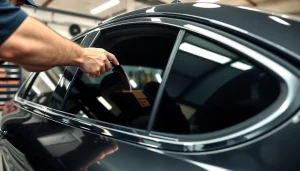
Proper installation is crucial to the effectiveness and appearance of window tint. Below is an overview of what this process entails.
Preparation for Tint Installation
Before the actual installation begins, proper preparation is essential:
- Cleaning the Windows: Thoroughly clean the windows to remove dirt, dust, and grease. This ensures the tint adheres properly.
- Ventilation: Choose an installation area with good ventilation. This is important for the adhesive and to avoid inhaling fumes.
- Temperature Conditions: Ensure the ideal temperature for installation is maintained. Most installers prefer a warm environment to help the film stick better.
Step-by-Step Window Tint Application
The application process involves several critical steps to ensure the tint adheres perfectly:
- Measuring and Cutting: Accurately measure the windows and cut the tint film accordingly, allowing some extra for adjustments.
- Wet Application: Spray the window and adhesive side of the tint with a solution, which allows for smoother placement.
- Placing the Film: Carefully place the tint on the window, starting from one side to avoid air bubbles. Use a squeegee to eliminate any trapped air.
- Trimming Edges: Once the film adheres, trim the edges using a sharp blade for a precise fit.
- Curing: Allow the film to cure properly according to the manufacturer’s recommendations for optimal performance.
Post-Installation Care Tips
After your window tint is installed, ensure the longevity and effectiveness of the film with these care tips:
- Avoid Washing: Refrain from washing windows for at least a week to prevent damage.
- Use Mild Cleaners: When cleaning your tinted windows, use non-ammonia based cleaners and soft cloths.
- Don’t Roll Down Windows: Avoid rolling down the windows for at least 48 hours after installation to allow the tint to set properly.
Legal Regulations for Window Tinting
Understanding local laws is imperative before tinting your vehicle’s windows. These regulations exist to ensure safety and compliance.
Understanding State Laws
Each state has specific regulations concerning the allowable darkness and reflection of window tint. Here are key points:
- Visible Light Transmission (VLT): This is the percentage of light that can pass through the tinted film. Laws often stipulate minimum VLT percentages for different windows.
- Windshield Restrictions: Many states have strict limitations on the level of tint allowed on windshields, often only permitting a clear strip at the top.
- Rear Windows: Some states allow darker tints on rear windows, especially for SUVs and vans. Understanding these nuances is crucial.
Benefits of Complying with Regulations
Following legal regulations not only prevents fines but also enhances safety on the road. Benefits include:
- Improved Visibility: Adhering to regulations ensures adequate visibility for both the driver and law enforcement.
- Avoiding Penalties: Complying with local laws prevents potential fines and the cost of reinstallation.
- Higher Resale Value: A vehicle that adheres to local laws is more attractive to prospective buyers, maintaining its value.
Consequences of Non-compliance
Neglecting local tint laws can lead to serious consequences, such as:
- Fines and Citations: Law enforcement can issue fines for illegal tint levels, which can accumulate if not addressed.
- Forced Removal: In many cases, authorities may require immediate removal of illegal tint, leading to additional costs.
- Increased Insurance Premiums: Non-compliance can affect insurance coverage and lead to higher premiums.
Common Questions About Window Tint Near Me
How Long Does Window Tint Last?
Window tint longevity varies by type. Properly installed quality films can last anywhere from 5 to 15 years or more, depending on exposure to sun and care.
Can I Do It Myself?
While DIY tint kits are available, professional installation is recommended to avoid bubbles, peeling, and improper adhesion, ensuring the best results.
How to Find the Best Installer?
Research local reviews, ask for recommendations, and verify credentials. Look for installers with experience and warranties to ensure quality service.
Maintaining Your Window Tint
After investing in window tint, proper maintenance will ensure it lasts and continues to perform effectively.
Cleaning Tips for Longevity
Keeping your tinted windows clean is essential for performance:
- Use Soft Cloths: Avoid abrasive materials that can scratch the tint.
- Gentle Cleanser: Apply a mild, non-ammonia cleaner to maintain the tint without damaging the film.
- Regular Cleaning: Clean regularly to remove dirt and prevent buildup, which can lead to discoloration.
Signs of Wear and Tear
It’s important to recognize when your window tint may need replacing:
- Bubbling: Formation of bubbles indicates adhesive failure, often requiring replacement.
- Fading: Any significant color change can diminish appearance and effectiveness.
- Peeling: Edges that are lifting indicate that it’s time for service to avoid further damage.
When to Replace Window Tint
Window tint should be replaced when damage is evident or after 5-10 years as a proactive measure to ensure continued UV protection and heat rejection.
Frequently Asked Questions
Can I Remove Window Tint Myself?
While it is possible to remove window tint yourself, the process can be tricky. Professional removal is recommended to avoid window damage.
Is Window Tint Covered by My Insurance?
Coverage for window tint varies by insurance policy. Consult your provider to determine if your tint installation qualifies for reimbursement.
What Can I Use to Clean Tinted Windows?
Use a non-ammonia glass cleaner with a soft cloth. Avoid abrasive cleaning tools that could scratch the film.
Does Window Tint Affect Visibility?
High-quality window tint is designed to enhance visibility while minimizing glare. However, excessively dark tints can impair sight.
How Do I Know if My Tint is Legal?
Check your state’s regulations regarding VLT levels for each window. If you’re uncertain, consult with a professional installer for guidance.